
The Pros and Cons Of Dental Implants

A dental implant is a medical treatment that involves replacing a missing tooth. The implant is a surgical accessory fitted into the jawbone in the place of the missing tooth. It is incorporated into the mouth within a short period. Gradually, artificial dental implants completely take the position of the tooth and function on its behalf.

The implant is chosen and carefully placed so that it can act as a natural tooth and give support to nearby teeth. Implants are made of titanium that can easily blend into the jaw and not stand as a separate entity. Advancements in technology have made it possible to improve the process of dental implants, and the success rate of this tooth replacement treatment is 98%. Your dentist will weigh the pros and cons of getting dental implants before scheduling surgery.

Know The Full Procedure For Dental Implants
What Are The Pros And Cons Of Dental Implants

The exact procedure of a dental implant depends on your needs, situation, and case history. If you need an Emergency Tooth Extraction, there may be different options that can be personalized for you. In addition, the healing time can vary from person to person.

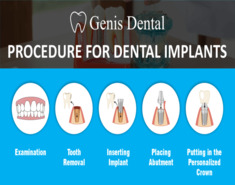
  • Examination

The first step is an examination of your unique situation. Your dentist might suggest tests like X-rays or scans to correctly evaluate your teeth and mouth. Next, dentists will specify the number of teeth that need to be replaced. They will also get your medical history and conditions to ensure your safety. Medical practitioners can prescribe medications to support the procedure and reduce post-surgical pain.

  • Tooth Removal

Sometimes dental implants involve only the placement of the implant. But, often, the original tooth must be removed. So, before placing the implant, the dentist removes the previous tooth. Then, the implant will be placed in the same area. Usually, the procedure of tooth removal is quick.

  • Inserting Implant

The implant is placed in the jawbone or inserted into the gums. Dentists recommend different methods for different individual needs. The implant then slowly blends with the jawbone or gum line, but full integration can take some time.

  • Placing Abutment

An abutment can be placed after a period of time to ensure the strength of the implant. It is a small piece of titanium or zirconium. Abutments need to be strengthened to ensure proper linkage and avoid slipping. They also aid the gum tissues near the implant site in healing.

  • Putting in the Personalized Crown

Depending on whether you prefer a temporary or permanent dental implant, your dentist will select the appropriate one for you. The dentist formulates your implant and fixes it accordingly with a surgical procedure. Minor modifications from your tooth and implant are safe and can be expected. While it is typically a painless procedure, you might feel a little pressure in the area. Anesthesia can ensure that nothing more than slight discomfort is felt.

The Exclusive Different Kinds Of Dental Implants

  • Zygomatic Implants: Zygomatic implants are safe but no longer commonly used. It is typically preferred if you suffer from extreme bone loss in the upper jaw. These implants are usually tilted in shape and placed in the jawbone. Dentists must carefully check the length of these implants based on the person’s cheekbone to ensure a perfect fit.
  • Endosteal Implants: These implants are used a majority of the time. It is placed inside the jawbone.
  • Subperiosteal Implants: These are used for individuals with weak jaw bones that are difficult or impossible to correct. They comprise a metal frame attached just below the gum tissue above the jawbone.

The Truth About Who Needs A Dental Implant?

A Dental Implant Procedure aims to revive the function of a missing tooth or a set of missing teeth. If you feel you need this dental procedure, select well-known dentists for their efficiency in inserting the implants.

The following are 3 of the most common options for dental implants:

  1. To replace a complete or partial set of dentures
  2. To cement a dental bridge
  3. To replace a single non-functioning tooth

The Promising Average Cost Of Dental Implants

A dental implant procedure must include follow-up appointments, crown placement, and abutment expenditures. While it can be expensive depending on the unique situation, it can also bring smiles back to life. As with a good deal of health-related investments, taking action today can prevent your oral health from getting worse and save you from more hefty expenses later on. Moreover, cost varies per the dentist’s experience, materials used, and specific type of procedure.

Dental Implants Procedures Offer Many Terrific Benefits

  •  Enhance your appearance
  •  Bring back your lovely smile
  •  Restore your natural speech
  •  Boost your confidence
  •  Enable easy chewing
  •  Protect other teeth from damage
  •  Support surrounding teeth
  •  Prevent bone loss
  •  Provide mouth comfort
  •  Improve facial structure

Know About The Revealing Risks Of Dental Implant Procedures

Dental implants can provide many benefits, but as with any procedure, there are certain risks and potential problems. Usually, it’s an adjustment issue, not an ample cause for concern. However, it would be best if you keep the following in mind:

  • A dental implant procedure may sometimes cause infection at the implant site. Typically, this heals in 3-5 days with antibiotics.
  • If an implant of the upper jaw extends into the sinus cavities, it could cause sinus problems.
  • The jawbone may occasionally not fuse properly to the implant, causing a loose fit.
  • Significant pressure on the denture implants might lead to an implant fracture.

Many of these problems depend on how efficiently the dentist performs the surgery. An experienced dental surgeon can lessen the risk of side effects.

If you wish to get your smile back and say goodbye to any teeth and mouth-related issues, choose Genis Dental. They have a Dentist In Philadelphia who can help you be pain-free and regain your confidence.

 

What Are The Benefits Of Surgical Dentistry?

Benefits Of Surgical Dentistry

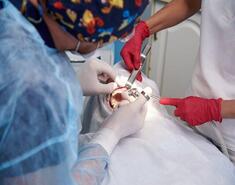
Surgical dentistry is a practice that performs the work of tooth preservation surgeries, bone grafting, tooth implants, tooth removal, and more. In cases where specific surgical treatments or tooth extraction cannot work, the surgeon will remove the diseased tooth without pain. This is commonly performed with wisdom teeth. 

Professional surgeons are experienced and can perform safe surgeries while effectively dealing with these common problems. It is not just about removing teeth. The surgeons can also advise about dental implants and tooth replacements after surgeries and extractions. 

What Are The Benefits Of Surgical Dentistry

Helpful Importance Of Surgical Dentistry

Dental surgeries are recommended when other procedures or treatments are ineffective. They are performed in extreme pain and severe tooth and mouth conditions. Some procedures, like wisdom teeth removal, can be complicated,  as these teeth grow inaccurately across gums or get trapped in the jaw and gum tissue. 

In cases like these, surgery is inevitable. Sometimes, swelling or infection can worsen, and tooth removal is required. In some other cases, a cyst or tumor may need to be removed. In these situations, surgery is the only viable option. 

There are several benefits of surgical dentistry, including improved self-esteem. Here are some other significant benefits of surgical dentistry:

  • Replacing a Tooth Permanently

Replacing a missing tooth with a proper dental implant is a reliable and permanent treatment with a 98% success rate. An older solution of adding a bridge or denture can replace the upper portion of the tooth, but it will not work at the root. For a strong root replacement, Surgical Dentistry is very important. This can eliminate the need for future procedures.

  • Preventing Complex and Permanent Damage

Oral health problems often worsen with time, so it is essential to treat them quickly. Innovative and advanced technologies like bone grafting can more effectively treat problems in the mouth, gums, and jaws. As a result, there is a high success rate with technological advances in oral health and more options for the patient than in previous years. Overall, it can prevent painful and expensive damage to the teeth and mouth.

  • Prevents Tooth Loss

Tooth implants are usually the last option. Everyone wants to eliminate problems with their teeth to preserve their original ones, if possible—the advanced procedures in surgical dentistry help prevent losing existing teeth.

  • Rapid Treatment

Before, conventional oral procedures were time-consuming. But with the development in dental technology, the speed and quality of dental surgeries have improved immensely, allowing for comparatively rapid treatments and relief.

  • Satisfaction 

The success rate and effectiveness of surgeries have increased with time. Nowadays, these surgeries tend to involve fewer steps and much less pain. With less discomfort and hassle, patient satisfaction is greatly improved.

  • Deal With Other Hidden Issues 

Many hidden tooth problems might go unnoticed daily and continue to worsen. Surgical dentistry can help in recognizing these issues and allow for earlier treatment. Dentists may even be able to identify physical or mental ailments that may seem unrelated to the teeth and mouth but that tends to affect oral health.

Know The Superior Types Of Surgical Dentistry:

The word “surgery” can be very anxiety-provoking for some patients. People usually consider surgery problematic, painful, and expensive. But these days, those ideas are mere misconceptions. Every type of case is different, which means the treatment and healing needs are different as well. 

With advancements in technology, there are various pocket-friendly options and painless treatments. A dental surgeon is experienced and knowledgeable in this context. They prescribe the most appropriate treatments for each individual patient. There are numerous kinds of surgical procedures based on different oral problems:

  • Wisdom Teeth Removal

Everyone is born with wisdom teeth. They tend to erupt between the ages of 18-25. Usually, they don’t cause pain. But if they can’t grow in the available space in the mouth, it results in dental pain and other oral problems. A dental surgeon performs wisdom tooth extraction, and a patient requires a few days for complete recovery. Anesthesia is used in the surrounding area so that the procedure is painless, but there may be some healing pain after the procedure.

  • Dental Implants Surgery:

When you lose an original tooth, it’s a dental implant that can restore your smile. You can often face slurred speech and struggle to chew normally if you lose teeth. But dental implants function like regular teeth in addition to boosting your confidence. They serve as alternative teeth so you can look and feel like your usual self. Dental Implant Procedures are very common. They may take a bit longer than other surgeries, but they are necessary to ensure proper attachment to the bone and avoid future troubles.

  • Cosmetic Dental Surgery:

Cosmetic oral surgery is not a necessity but a choice. People often desire to have the perfect smile or jawline to enhance their overall appearance. Models and actors usually opt for veneers to have that picture-perfect smile. It can be done by a dentist very easily and is painless.

What Are Other Promising Aspects Of Surgical Dentistry?

Surgical dentistry is associated with orthodontics, implants, and aesthetic surgery. This is why dental surgeons collaborate with other experts and specialists. Dental surgery can help with the following:

  • Recognizing other diseases during procedures
  • Partial or entire teeth extractions
  • Dental implants
  •  Cosmetic or plastic surgery for the jaw
  • Treating issues associated with salivary glands
  • Preserving teeth
  • Treating oral tumors

Advancements in technology have increased people’s ability to treat and restore their smiles. In a world of high beauty standards and social media scrolling, there is significant pressure to look good at all times. 

You can get rid of your pain and simultaneously make your smile beautiful. Contact our Feasterville Dentist to schedule an appointment with our dental office.