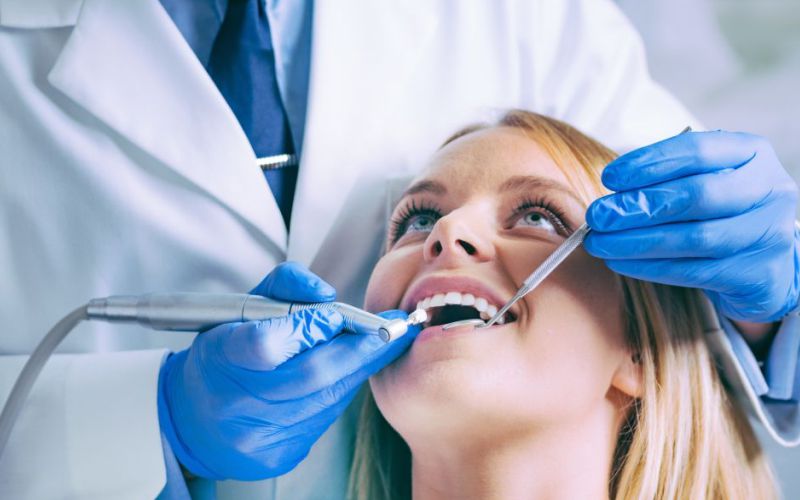
Dental Implants: Everything You Need To Know

Dental Implants

One of the most common prostheses used to replace missing teeth and help maintain a healthy smile is dental implants. Surgery can be intimidating, but dental implants can prevent a lot of pain and suffering for patients down the road. So if you’re wondering if the dental implant procedure is right for you, keep reading to find out more.

Dental implants are artificial tooth roots. They support full or partial dentures, dental bridges, or even single crowns. Dental Implants are usually the most effective way of replacing lost teeth because of periodontal disease, accidents, or other reasons. They also help preserve facial structure and can help protect bone tissue from resorption.

As a result, they are a good option for patients who don’t want to settle for the look or feel of removable dentures or other options like dental bridges that can leave you with an abnormal bite. In addition, these structures can restore many patients’ smiles and speech.

Everything You Need To Know About Dental Implants

Bottom Line See About The Types Of Dental Implants

There are two types of implants, temporary and permanent. The fundamental difference is that the temporary ones are not meant to last for a lifetime. Therefore, for patients to receive permanent dental implantation, they must be found suitable for the type of implant first.

These implants are made of durable metal known as titanium. Dental implants with abutments are placed in the patient’s jawbone so they can receive prosthetics and restore lost functions and aesthetics. They mimic natural tooth roots by integrating bone tissue within the mouth to support dental structures such as crowns or bridges.

Dentists have found that an oral implant can be considered a second chance to restore the patient’s dental health. It is a durable, highly secure, and robust solution that lasts many years. The procedure has become popular in recent years because it has proven to be very effective at restoring oral function and appearance.

Advice On Visiting The Dentist For A Dental Implant

Dentists recommend that people who desire a dental implant visit them at least six months before it is scheduled to be put in. They want you to make sure that the implants will fit well, and they also want to make sure that you can take care of the new teeth. In addition, the dentist will want to know that there are no problems with how your jawbone and muscles could react because of the surgery.

Foremost, your dentist will assess the health of your teeth. The assessment will usually be done by x-ray. They will initially start with this consultation before the implants are put in to ensure you are a suitable candidate for the procedure. This is when they may measure the space that you have available.

Four neighboring teeth will then be divided into different spaces to accommodate the new implants. Any decay or other damage to the tooth’s surface is then drilled out, and any teeth that are too damaged for a dental implant to be used will be extracted.

After implantation, the tooth-colored crowns, or caps, can be put on the implants and screwed in place. Once this work is finished, you’ll get a temporary bridge to hold up while your permanent bridge is fabricated and adjusted to fit you perfectly.

Now What Happens When Dental Implants Are Put In?

When the patient has opted for a permanent dental implant, it is placed in their jaw. With permanent dental implants, the roots of the implants are directly fixed to the jawbone.

Once the implants are in place, they are left alone for about three months. Dental implants are not permanent but strong enough to support the jawbone structure and remain with the person as long as possible. Dental implants provide structural support and allow chewing, speaking, and smiling without the fear of losing teeth.

Dental implant surgeries can last anywhere from one to three hours and require some downtime for the patient, usually taking about a week or two for recovery on average.

The Truth About Recovery Process From Dental Implants

After placing the implant, some people notice they are in pain a few days later. Some discomfort is normal, but if the pain is severe, talk to your dentist. The pain level will improve by taking ibuprofen or aspirin (whichever your dentist advises) and drinking plenty of fluids.

Once the pain has subsided, you should start rinsing your mouth with salt water daily. Rinsing with salt water helps to form a coating of minerals on the teeth so that they are less likely to be damaged by the bacteria in the mouth.

Dental implants involve surgery, but it is usually worth it because they can prevent pain and suffering in the future. In most cases, these procedures are very successful, especially when working with a dentist with significant experience.

In summary, dental implants are a preferred option for many that can help restore both your smile and oral health. If you’re considering dental implantation as an option for your oral health care needs, contact us for to Schedule Your Appointment with Genis Dental today!


 

Do Dental Implants Hurt?

Expert Implant Dentist

You Need To Know Valuable Advice From An Implant Dentist

Are you hiding your smile lately because of missing or damaged teeth? Dental implants may be a great ideal option for you to preserve your oral health while looking incredibly natural. First, however, it’s essential to Schedule An Appointment with a qualified dentist to see if these devices fit your situation, health status, and budget.

Dental implants are permanent fixtures that replace natural teeth. They are metal rods, usually made of titanium or stainless steel, and they are either surgically placed into the jawbone or cemented into place.

Dental implants are increasingly popular among patients who have lost their teeth due to gum recession, tooth decay, or other causes. They restore your ability to eat almost anything you want and improve the appearance of your smile.

Do Dental Implants Hurt

Bottom Line Is It Painful To Get Dental Implants?

Before the dental implant procedure, a dentist sedates the patient so they do not feel discomfort during surgery. Depending on the patient and the situation, the process can be completed in one or multiple visits.

Dental implants can take several months to set into the jaw and heal properly. While the implant treatment is generally painless, patients are likely to feel some discomfort while recovering from surgery.

Dental implants may not be the best choice for someone sufferings from chronic severe pain, but they are still worth considering. The implants themselves do not hurt after healing unless they become infected or loose after being surgically placed.

Most dentists treat infections with antibiotics and other medications that can be administered orally. Dental implants should always fit snugly to avoid any movement of the device.

The Truth About Dental Implants vs. Dental Bridges

Things can get confusing with having dental implants vs. dental bridges. Dental bridges are removable and attach to natural teeth on both sides of the gap created by one or more missing teeth to hold them in place.

They are considered the second-best choice for replacing missing teeth after dental implants and are often significantly less expensive than implants. In addition, dental implants can last a lifetime, while dental bridges usually need to be replaced every 5-10 years.

Important Things To Consider Before Getting Dental Implants

There are many factors to think about before going through with getting dental implants. Some questions you can ask yourself include:

  • Are you struggling with your dental confidence? Do you ever find yourself embarrassed by damaged or missing teeth?
  • Is your general health good, or do you have health conditions that can affect your healing? Some health issues can affect your ability to get implants. 
  • Have you checked with your insurance company to see if they cover the cost of implants?
  • If insurance doesn’t cover the implants, will you be able to afford the cost, whether upfront or through a payment plan?
  • Are your oral health habits good? 
  • Would you like to replace all your missing teeth with dental implants or just the ones that interfere most with your lifestyle?

How To Minimize Pain After Getting Dental Implants 

Dental implants are a great way to restore your dental health, but recovery from surgery can be tough. In addition, dental implant treatments can take longer than other types of tooth replacement procedures because sometimes the body has a more difficult time processing titanium vs. other materials.

Dental implants also do not have roots, so they must be placed deeper to integrate with the jawbone.

To reduce pain after implant surgery, you can-

    • Take prescribed pain medications as directed by your dentist. You will probably be given a prescription pain reliever or local anesthetic to help ease any lingering pain afterward.
    • Take non-prescription painkillers. You can take over-the-counter drugs such as Tylenol, Advil, or Aspirin to help ease any discomfort you may have after surgery. Be sure to consult with your healthcare professional about what you should take.
    • Practice advanced relaxation techniques. Such as meditation and deep breathing exercises. You can use relaxation techniques to help distract from any pain or discomfort you might feel after the surgery.
    • Focus on your recovery. Dental implant surgery can be a significant part of your healthcare regimen, so you want to ensure that you fully recover from the procedure. Try to take it easy for a few days following the surgery to give yourself time to heal correctly.
    • Eat soft meals during recovery. Dental implants usually require several weeks to heal after being surgically placed, so you want to ensure that you’re eating soft foods. 

Dental implants and surrounding gums and tissues will likely be tender after the surgery. Therefore, avoiding eating anything too crunchy or spicy is best until your implant has completely healed.

Dental implants are a great way to restore your dental health and help you live life with better function and a more confident smile. However, after implantation, you’ll want to take great care of your overall health to speed healing and reduce the risk of infection.

Dental implant treatments can take longer than other tooth-replacement options, so you’ll need to consider this when deciding if implants are right for you. You will also have to consider your financial situation and how much dental implants will cost compared to alternatives, such as bridges or veneers.

If you want to learn more about Dental Implants, get in touch with Genis Dental. Dr. Genis has been performing dental implants for many years and is widely recognized for his stellar dental work. To find out if you are a good candidate for dental implants, call Genis Dental today to schedule an initial consultation at 267-988-4586.


What To Eat After Dental Implant Surgery?

Dental Implant Surgery

Some people experience pain and discomfort when they receive dental implant surgery. These individuals may turn to certain foods to eat and supplements that they believe might help to relieve this pain.

If you’re worried about your dental health, it’s important to know that there are a few things to consider before putting anything in your mouth! After Dental Implant Surgery, you will probably be given a list of foods you should avoid. Knowing what to eat for the first few days after your surgery can be difficult, but we are here to help.

What To Eat After Dental Implant Surgery

In this article, we’ll look at the foods to consider and avoid after getting a dental implant.

  • After undergoing this surgery, it’s most important to follow the diet and meal plan that your dentist recommends. You have to stay on this diet for at least one month. If you still want to eat what you are used to, it’s crucial to pay attention to the number of carbohydrates in a particular food or beverage.
  • Diet is one of the most important things to consider after a dental implant, as it can significantly affect the healing process. Eating natural, unprocessed foods and being mindful of your food choices will help your body recover quickly from surgery. You should also ensure you get enough protein and vitamins to help heal the surgical site.

You Need To Know The Risks Of Not Eating After Dental Implant Surgery

You might be worried about not eating after you’ve had a dental implant put in. Thankfully, many dentists agree that eating while the implant is in place is safe. However, patients must be mindful of food particles getting into the gums and under the implant(s).

If you are not eating correctly after your oral surgery, there could be an increase in healing time. Ensure not to eat foods that are not too crunchy or difficult to chew, such as apples. Otherwise, it’s recommended that patients eat a balanced diet full of nutrients after surgery.

The aftercare process starts immediately following your surgery. It can take up to three weeks to recover from the surgery, so feeding your body properly with food after dental implants will help with the recovery process and minimize any risks.

How Long After Getting Dental Implants Are You Approved To Eat?

Around the time of your surgery, your dentist will tell you how long to wait before eating after getting your dental implants. You should wait at least three hours before having a meal. You’ll want to avoid sugar if at all possible. This is because sugars and other carbohydrates will cause the new teeth to absorb too much of the chemical bonds needed to adhere correctly.

If you’re not consuming nutritious foods regularly after surgery, you could experience swelling of the implant and infection. Dental implant surgery is a big decision for patients, so having the correct information from a dentist is essential before committing to a significant change in your life.

If you are looking for a  Dentist In Southampton, call us today at 267-988-4586. Dr. Genis has pervasive experience with dental implants and high patient satisfaction.


How To Prevent Tooth Decay By Visiting A Cosmetic Dentist

Tooth Decay By Visiting A Cosmetic Dentist

Tooth decay is one of the most common dental issues dentists treat. Tooth decay is a condition that happens when bacteria in your mouth consume sugar, and then the sugar turns into acids that corrode the teeth. A cosmetic dentist can help you avoid tooth decay, cavities, and gum disease.

In addition, they can provide tips on protecting your teeth from cavities and gum disease, helping you ensure that you have healthy gums for a lifetime of smiling. Luckily, there are ways to prevent tooth decay and the more significant problems down the road that come with it.

How To Prevent Tooth Decay By Visiting A Cosmetic Dentist

Tooth decay starts with plaque building up on teeth. Plaque is a sticky layer of bacteria and food particles. Though plaque can’t be seen, it’s the leading cause of tooth decay and gum disease. One way to prevent plaque buildup is by visiting a dentist for teeth cleaning and other treatments. 

These treatments can improve your overall appearance and make you feel more confident. Your dentist will use a soft-bristled brush to remove plaque buildup. They’ll also remove any tartar buildup on your teeth, a white layer of hardened plaque. 

Dentists are everywhere, so finding one is not too difficult. That said, locating a great dentist might not always be easy. An exceptional dentist will provide you with the best care possible. However, if you want your teeth and smile to look great, you must find a great provider. 

Excellent Reasons To Visit A Cosmetic Dentist

There are a variety of reasons one might visit a general dentist. Of course, the most important reason is to maintain or restore healthy teeth that will last you for many years to come; however, if you are interested in improving the appearance of your smile, you need to visit a dentist who specializes in Cosmetic Dentistry. 

Cosmetic dentists practice several procedures to ensure your teeth are visibly healthy. They can also take care of any concerns arising from dental problems or inadequate hygiene. In addition, they can help you improve your dental oral hygiene and provide treatments for common dental issues such as yellowing teeth, gum disease, cavities, and more. 

They can also teach you ways to prevent oral problems by making smart oral care choices. Many people would be surprised to learn how much work goes into maintaining good oral health, so if you’re ready to give yourself the best chance at being happy with your smile and overall appearance, it’s time to visit a dentist today.

Know Popular Types Of Cosmetic Dental Procedures

There are so many types of dental procedures that a person can undergo to improve the appearance of their smile. There are procedures such as.

  • Veneers 
  • Teeth straightening 
  • Dental implants
  • and much more

Each procedure is different and has different intended outcomes for the patient. 

While many procedures are only for cosmetic changes, other procedures can restore or improve the overall health of the teeth and mouth.

Revealing Dangers Of Tooth Decay

Tooth decay is a gradual process that starts with the buildup of plaque. It is caused by bacteria that enter your mouth and attack tooth enamel, leading to tooth sensitivity and tooth loss. 

There are many ways to prevent it, such as brushing twice daily and flossing daily. In addition, tooth decay can be prevented by visiting a dentist every six months for regular checkups. 

Dentists can help you improve your oral health by preventing tooth decay and helping you get a beautiful smile back that you can show off proudly. So, contact Genis Dental today if you are looking for a Dentist in Bucks County.